
Key Takeaways
- The FAST scale, or Functional Assessment Staging Tool, follows everyday abilities rather than memory test scores.
- It includes seven stages, moving from small changes in routine to needing hands-on daily help.
- Watching which abilities shift, and how quickly, tells you more than the number itself.
- Assisted living, memory care, and respite care each fit different points along the way.
- Support is available at every stage, and touring a community can help you plan ahead.
A Simple Way to Follow Changes in Dementia
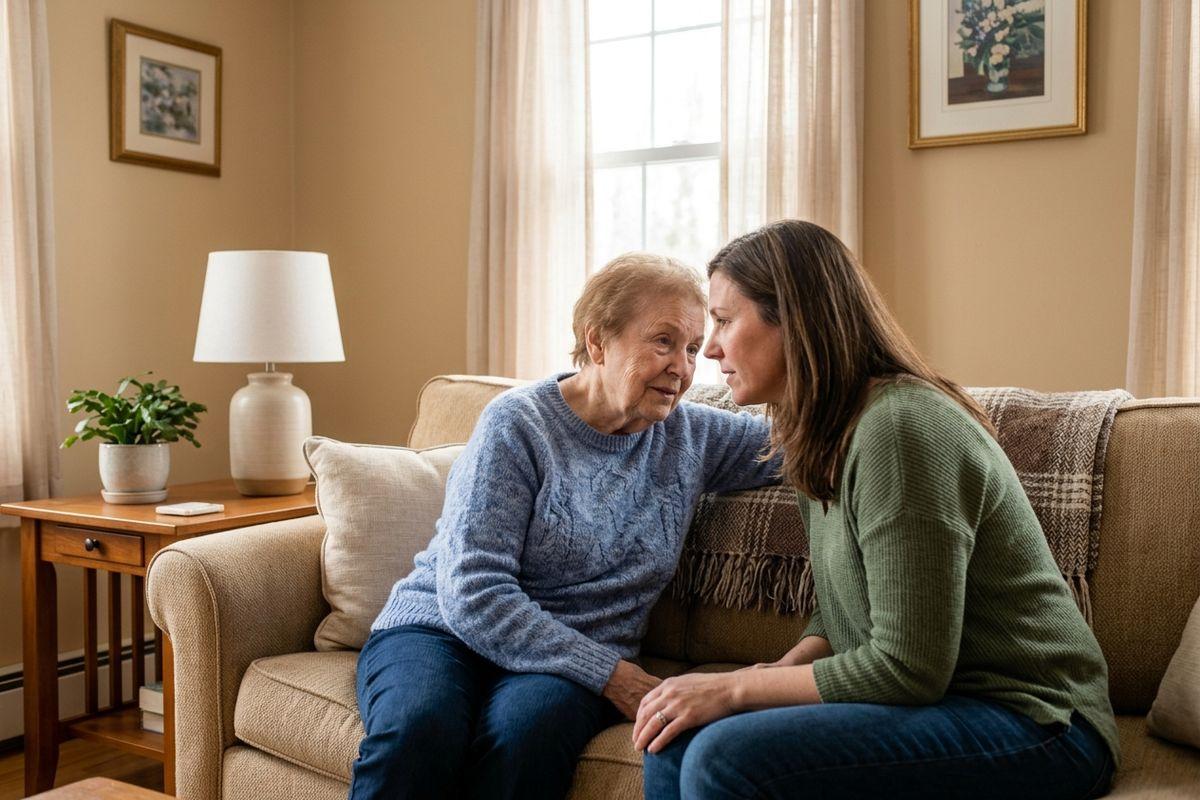
You’re concerned about your loved one. Maybe they’ve asked the same question three times in one afternoon. Or they’ve left the mail unopened for weeks. Our team at All American Senior Living at Kingston understands that predicament. These moments are hard to describe to a doctor. And they’re even harder to explain to the rest of the family.
The FAST scale gives you a shared way to describe where your loved one is right now. It’s based on what they can still do each day in their routine. From there, you can look at memory care options that match those daily needs.
What the FAST Scale Measures
FAST stands for Functional Assessment Staging Tool. Instead of focusing on memory alone, it looks at function. That means dressing, bathing, walking, eating, and speaking. These activities of daily living are parts of a day that families see up close.
Care teams use it as a common language. You can say “stage 5” to a nurse or a community advisor. And they’ll picture the same set of daily needs you’re describing.
Why Daily Function Matters More Than Test Scores
A memory quiz happens once, in a quiet office, on one particular morning. But daily function shows up all week long.
It’s the small things that matter. You might notice a sweater going on backward or how your loved one stops showering when they’re not reminded to do so. It also shows when a familiar walk to the mailbox becomes uncertain. Those observations carry weight. And noticing the pattern helps you plan for the right support.
The 7 Stages of the FAST Scale
The scale moves through 7 stages. Some stages include substages. These substages mark smaller, gradual shifts rather than sudden jumps. The FAST scale pairs well with the three broader stages of Alzheimer’s for even better communication with physicians.
Early Changes in Stages 1 Through 3
In the earliest stages, daily routines look much the same. Your loved one can handle cooking, driving, and phone calls as usual.
By stage 3, you might notice small troubles with planning or with new places. A trip to an unfamiliar store takes longer. There are simple memory aids for seniors that can smooth out these moments.
More Support Needed in Stages 4 and 5
Stage 4 often brings difficulty with tasks that involve several steps. Your loved one may find it harder to balance a checkbook, plan meals for the week, or go on a full grocery run.
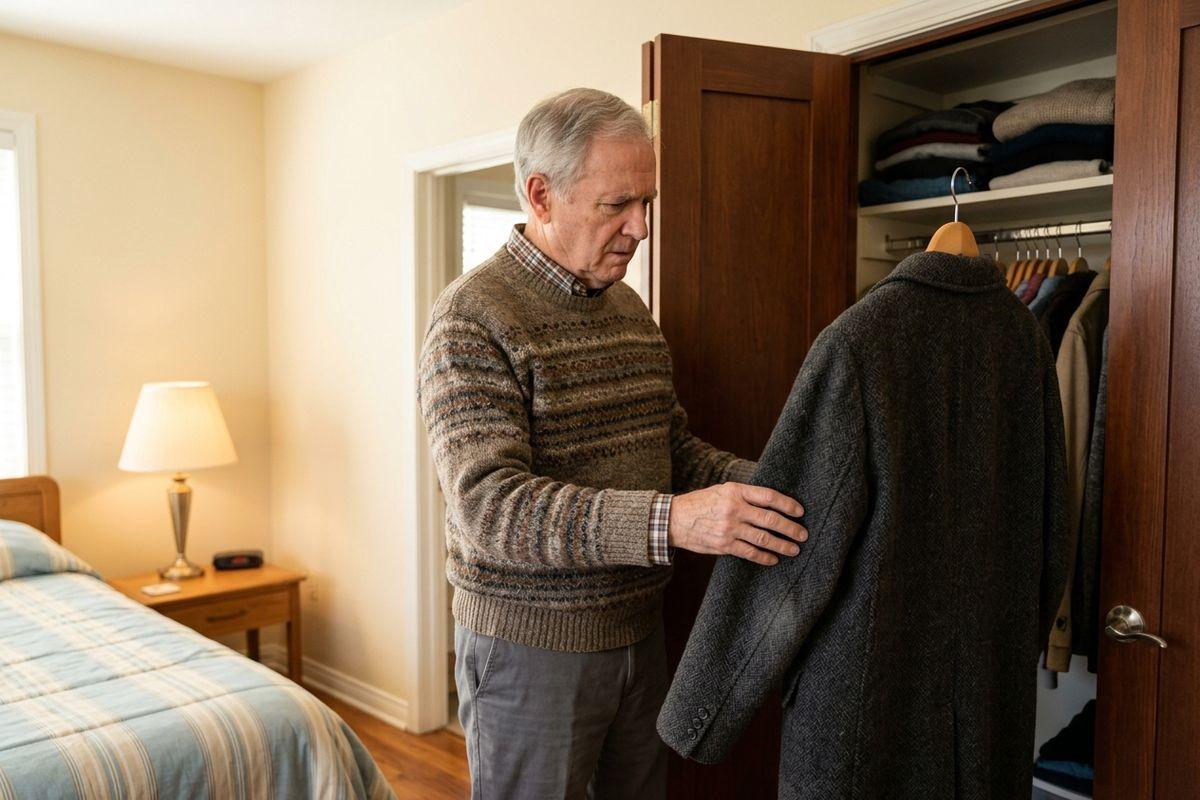
At stage 5, choosing the right clothing becomes a challenge. A wool coat may come out in July, or the same shirt may get worn four days in a row. This is often the point where families start looking into assisted living or even memory care. Many caregivers find that transition helpful in maintaining the general quality of care.
Hands-On Care in Stages 6 and 7
Stage 6 involves hands-on help with dressing, bathing, and personal care. Assistance moves from reminders to physical support.
At stage 7, speech becomes limited and mobility changes. Walking, sitting up, and holding the head steady may all require loving support. Care at this point centers on comfort, dignity, and familiar routines. At this stage, it’s important for caregivers to learn how to talk to someone with dementia to keep interactions gentle.
Common Behaviors Families Notice at Different Stages
- Repeating the same question or story throughout the day
- Wandering, or heading out the door without a clear plan
- Restlessness that builds in the late afternoon and evening
- Shifts in appetite, such as skipping meals or craving sweets
- Sleep patterns that flip, with naps by day and waking at night
Care Options That Match Each Stage
There’s a supportive option for each point along the way. The care plan can adapt as needs change.
- Assisted living suits earlier stages of care. It helps with dressing, medication reminders, and meals to make days smoother
- Memory care fits stage 5 and beyond, with a secure, calm setting and staff trained in dementia support
- Respite care gives family caregivers a chance to rest, whether that’s a week away or recovery time after a procedure
Signs It May Be Time for Memory Care
The need for constant supervision is often the clearest sign. Do you feel the need to sleep with one ear open every night? If the answer is a resounding yes, that’s worth paying attention to. Caregiver stress should never be neglected.
Caregiving can also become physically demanding. Helping with transfers, bathing, and dressing several times a day asks a lot of your body.
Safety is another reason to choose memory care. A stove left on or a front door opened at 2 AM are real safety concerns. A memory care setting can provide that much needed security.
How Supportive Senior Living Can Help
The FAST scale is a guide that everyone moves through differently. But no stage should ever close the door on comfort, connection, or joy.
Our team at All American Senior Living at Kingston welcomes you and your family, no matter which stage your loved one is in. Schedule a tour, walk the hallways, meet the staff, and see how different lifestyles can support your family. We’re always happy to help every senior find the right support.